

Why Current Affairs Revision in January Is Non-Negotiable
For aspirants of UPSC, Bank, SSC, and RRB exams, January is the final countdown to prelims. By now, most candidates have completed the bulk of their syllabus. What separates top performers from the rest is how well they revise and retain current affairs, which often constitute a large chunk of Prelims questions.
The final month is not about learning everything from scratch but about consolidating knowledge, boosting recall, and strategizing for high-yield topics. Effective revision in January can make the difference between a confident attempt and a stressful last-minute scramble.

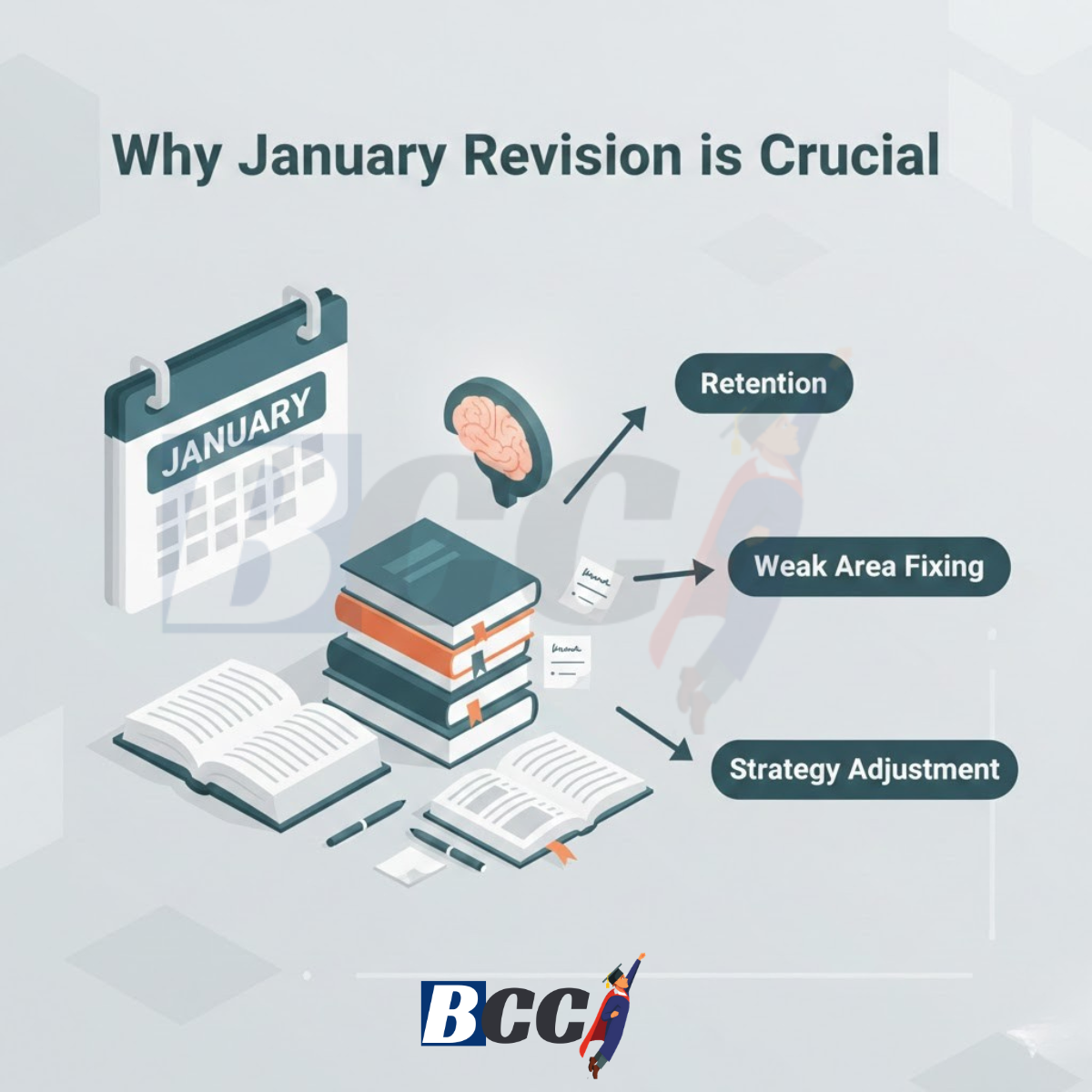
Why January Matters for Prelims Preparation
January is pivotal because:
- Retention Peak: Revising after a full year of preparation ensures information moves from short-term to long-term memory.
- Final Readiness: It’s the time to identify weak areas and reinforce them, ensuring nothing is left unprepared.
- Exam Strategy Adjustment: Observing trends from past years’ prelims questions allows aspirants to prioritize high-yield topics.
Structured Revision Tips
A structured approach prevents time wastage and ensures comprehensive coverage.
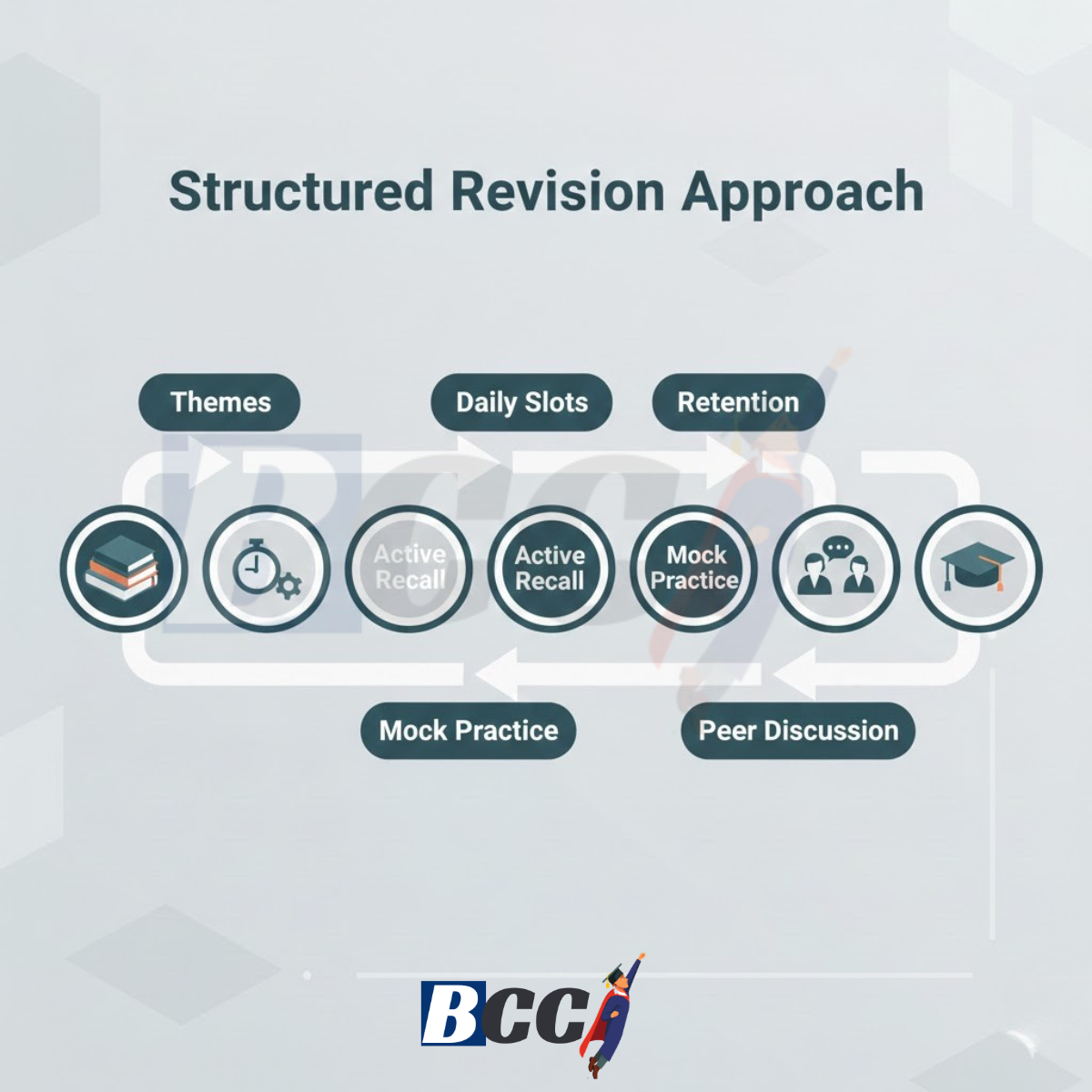
- Divide by Theme and Month: Organize short notes by subjects such as Economy, Polity, International Relations, Science & Technology, and Environment. Monthly breakdowns help track topics systematically.
- Daily Revision Routine: Dedicate fixed 1–2 hour slots daily for current affairs to avoid cramming. Consistency beats last-minute panic.
- Active Recall: Test yourself on key facts, dates, and schemes instead of passive reading. Flashcards or self-quiz apps can help.
- Mock Prelims Practice: Attempting previous year questions helps in exam simulation and identifies gaps in preparation.
- Group Discussions: Peer discussions reinforce concepts, provide different perspectives, and improve analytical skills.
Importance of Short Notes
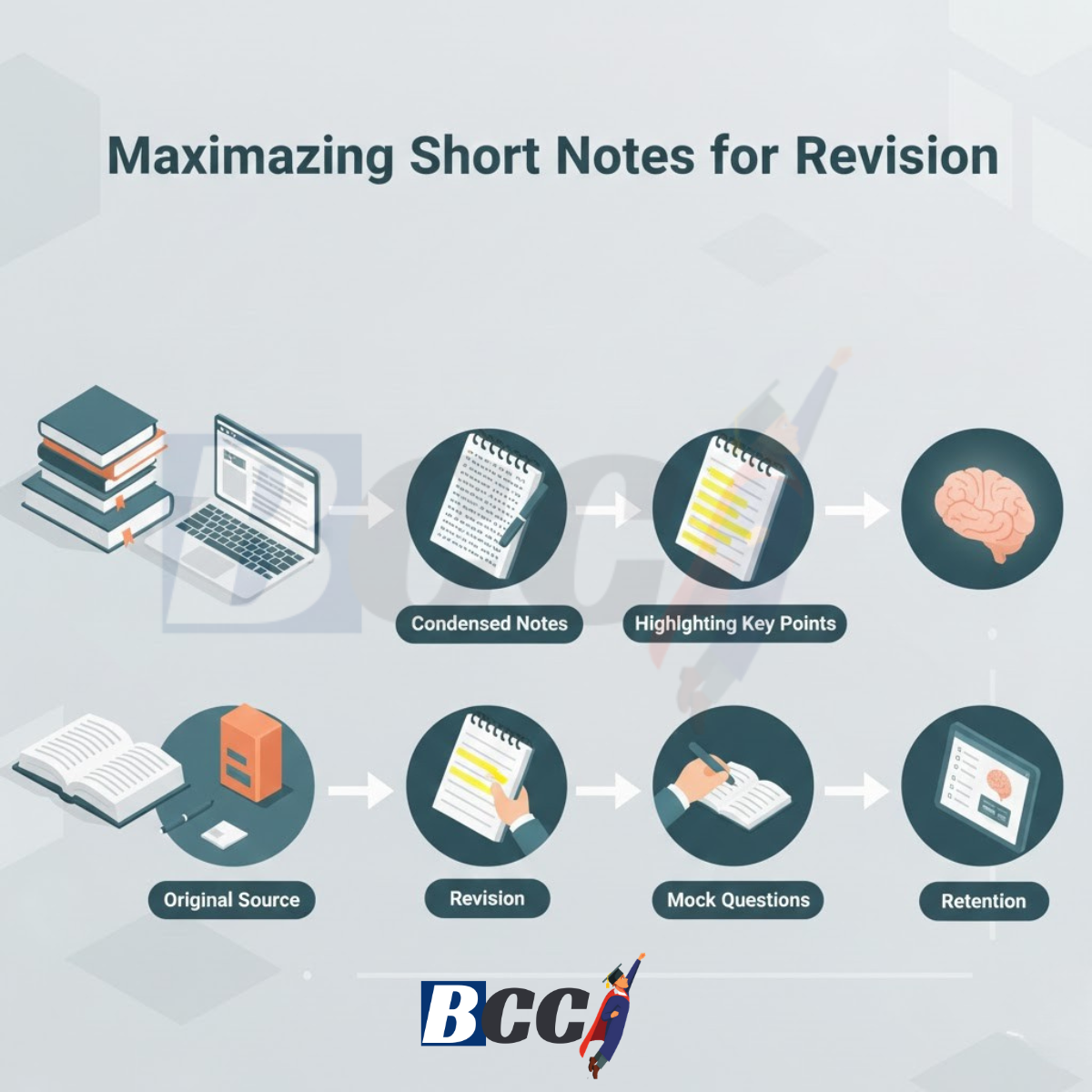
Short notes are the lifeline of January revision. Compiled during the year, they provide a condensed version of newspapers, magazines, and online resources.
Benefits of short notes:
- Quick access to important topics without rereading bulky material.
- Track recurring events, government schemes, and statistics that often appear in prelims.
- Enable targeted revision by focusing on high-probability areas.
How to use them effectively:
- Highlight key terms, dates, and figures.
- Color-code subjects for visual memory (e.g., Economy: green, Polity: blue).
- Create separate sections for high-yield topics based on past trends.
How Question Trends Influence Revision
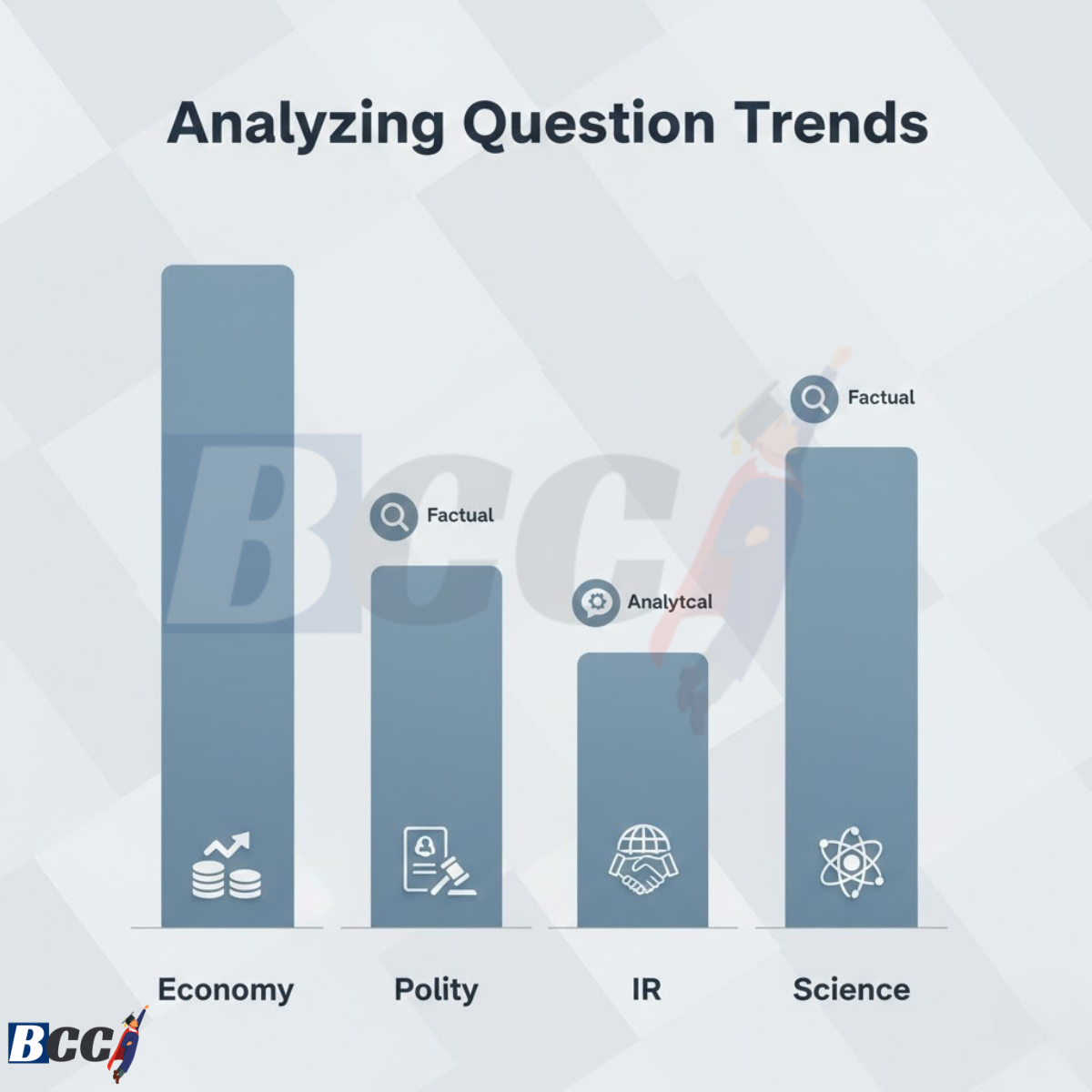
Past prelims questions provide actionable insight into exam patterns. Observing trends helps focus on topics that are repeatedly tested.
- Frequency Analysis: Identify subjects with the highest number of questions in the last 5–10 years.
- Question Type: Note whether questions are factual, conceptual, or analytical.
- Difficulty Level: Prioritize high-probability moderate-difficulty questions first, then tackle tougher ones for extra edge.
- Recurring Topics: Government schemes, social issues, international relations, and current economic updates often appear year after year.
Common Mistakes Aspirants Make
Even top aspirants falter in the final month due to:
- Overloading on new material: Leads to confusion and poor retention.
- Ignoring short notes: Rereading full-length materials is time-consuming and inefficient.
- Skipping trend analysis: Random revision may leave high-probability areas unprepared.
- Passive reading: Not testing oneself reduces memory retention significantly.
- Neglecting mock practice: Missing practice sessions can lower exam confidence.
Actionable Guidance for the Last Month
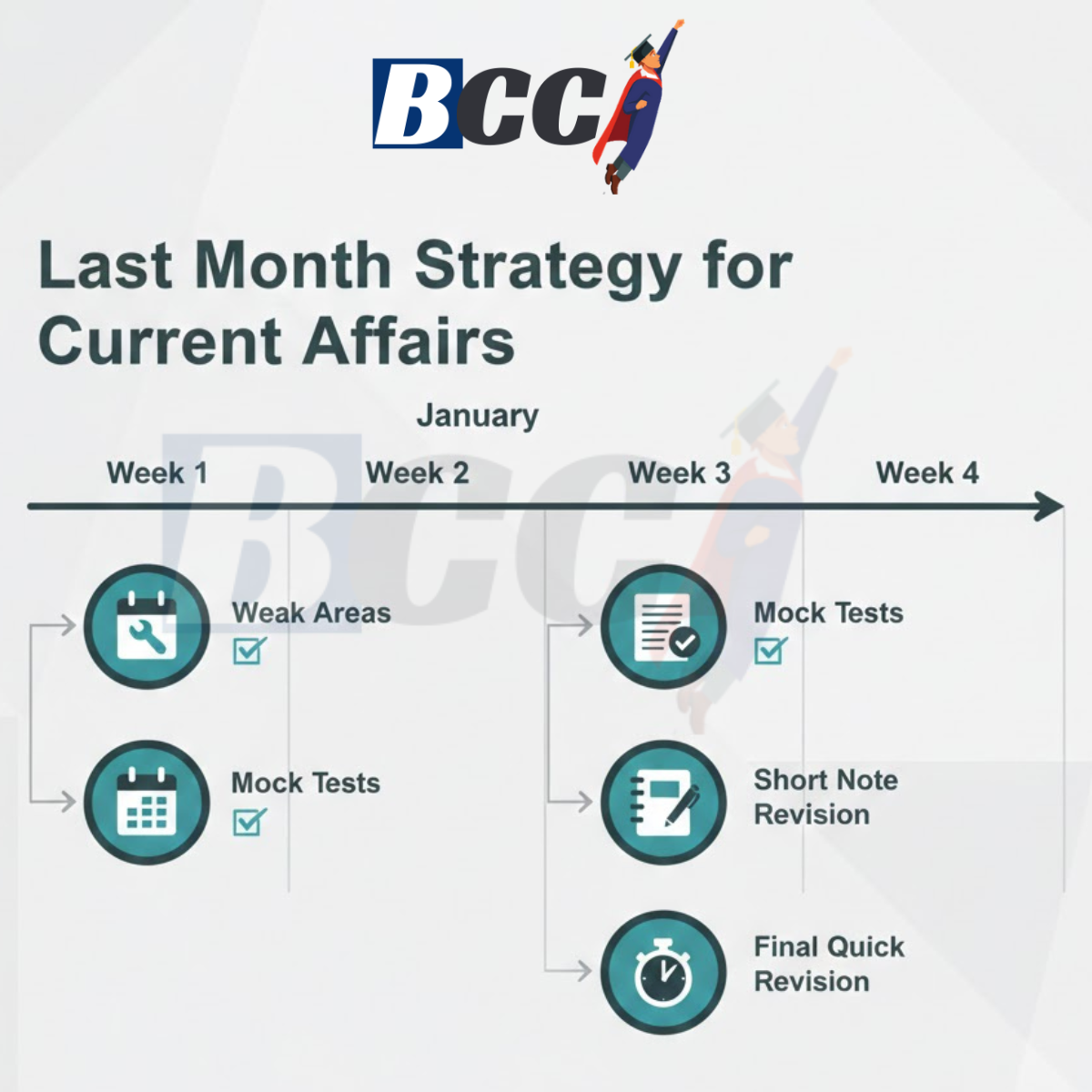
- Weekly Targets: Divide January into weekly blocks for subject-specific revision.
- Mini Daily Tests: Solve 20–30 current affairs questions daily to improve speed and recall.
- Prioritize Weak Areas: Use previous tests to identify and focus on weak topics.
- Full-Length Mock Prelims: Simulate 2–3 exams to adjust pacing and exam strategy.
- Stay Updated: Revise January news/events daily until the exam day to avoid last-minute surprises.
Conclusion
January revision of current affairs is non-negotiable for serious aspirants. With structured revision, effective use of short notes, and analysis of question trends, the last month can transform your preparation from good to exceptional. Avoid common mistakes, follow a strategic approach, and your recall and confidence on prelims day will reflect months of disciplined preparation.
FAQs
Q1. How much time should I dedicate to current affairs revision in January?
A: 1–2 hours daily for focused revision, plus 20–30 minutes for practice questions.
Q2. Should I consult newspapers at this stage?
A: Only to verify facts or check January updates. Rely primarily on your compiled short notes.
Q3. Can I start new topics in January?
A: It’s not advisable. Focus on revising and consolidating existing material.
Q4. How do I identify high-yield current affairs?
A: Analyze past prelims questions and recurring topics to prioritize high-probability areas.
Q5. Are short notes sufficient for prelims preparation?
A: Yes, if they are comprehensive, updated, and regularly revised.